
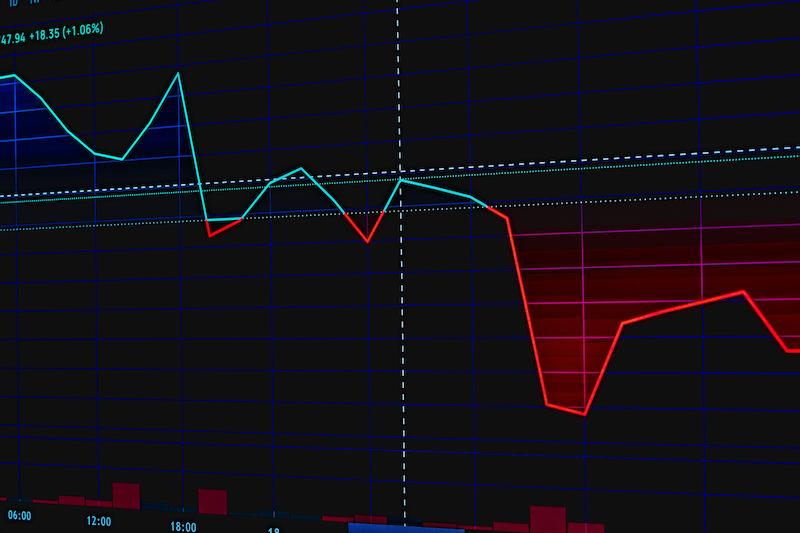
Volatility makes headlines, but it also creates opportunity for those who are prepared. On days when Sensex Today Live shows a sea of red, many investors feel an urge to retreat, yet history repeatedly shows that disciplined buyers are rewarded during such phases. Even a passing mention of the DAX in financial commentary tends to remind us that corrections and recoveries are universal features of equity markets. The key is to shift your perspective, so that falling prices are seen as potential discounts rather than disasters.
Table of Contents
Why Volatility Is Normal
Equity prices are a reflection of what millions of people, who are unable to see the future, think about an uncertain future. Their opinions and therefore prices will change as news comes in. A market that never moves up or down would itself be an aberration. Indian indices have seen their fair share of corrections – of 10 or 20 or even 30 per cent – before bouncing back to record highs. Thinking of volatility as the price to pay for higher returns in the long term is a useful psychological exercise.
Using Corrections To Accumulate Quality
When strong companies fall along with weak companies in a general sell-off, valuations improve across the board. Investors with a well-researched watch list can take advantage of such situations by buying in instalments rather than at one go. This way, they not only avoid the trap of buying at the peak but also end up averaging down the purchase price. The cash that one sets aside for such corrections is worth its weight in gold.
The Discipline Of Continuing Your Investments
It is natural for investors to panic and halt their SIPs at a correction, precisely at the point when they should be continuing them. By doing so, they miss out on accumulating cheap units of good companies. When the market recovers, these units will deliver outsized returns. Experience shows that most investors who stayed invested during corrections outperformed those who sold at a loss and re-bought later. Patience delivered superior performance.
Managing Emotions During Sharp Falls
It is human to feel anxious when one’s portfolio value falls. But it helps to mentally rehearse for such an event. Imagine a situation in which the Sensex or your portfolio has tanked by 30 per cent and think about what you will do. It also helps to limit the frequency with which one reviews the portfolio during a correction and to spend time with people who have a long-term perspective. One must constantly remind oneself that paper losses are not real losses as long as one does not sell the shares
Opportunities Beyond Equities
Gold and high-quality debt funds are typically good performers during equity corrections. In fact, a well-timed rebalancing of one’s portfolio to take advantage of the weakness in the equity segment by moving some of the cash or debt into equities can enhance one’s returns. Such actions require a disciplined approach but have been handsomely rewarded by the markets in the past.
Preparing Before The Next Storm
The best time to prepare for a correction is when there isn’t one. Build a contingency fund, pare down debts, invest in insurance and an appropriate asset allocation, review one’s investment policy and document it. In a correction, one should know what to do as opposed to what not to do.
Conclusion
Volatility is an ugly word but one that defines a long-term investor’s journey. By recognising its presence in one’s portfolio, using corrections to buy quality companies, continuing one’s investments, managing one’s emotions and preparing for future corrections, one can gain an edge. Long-term investors who are patient and prepared will never regret riding out a correction.